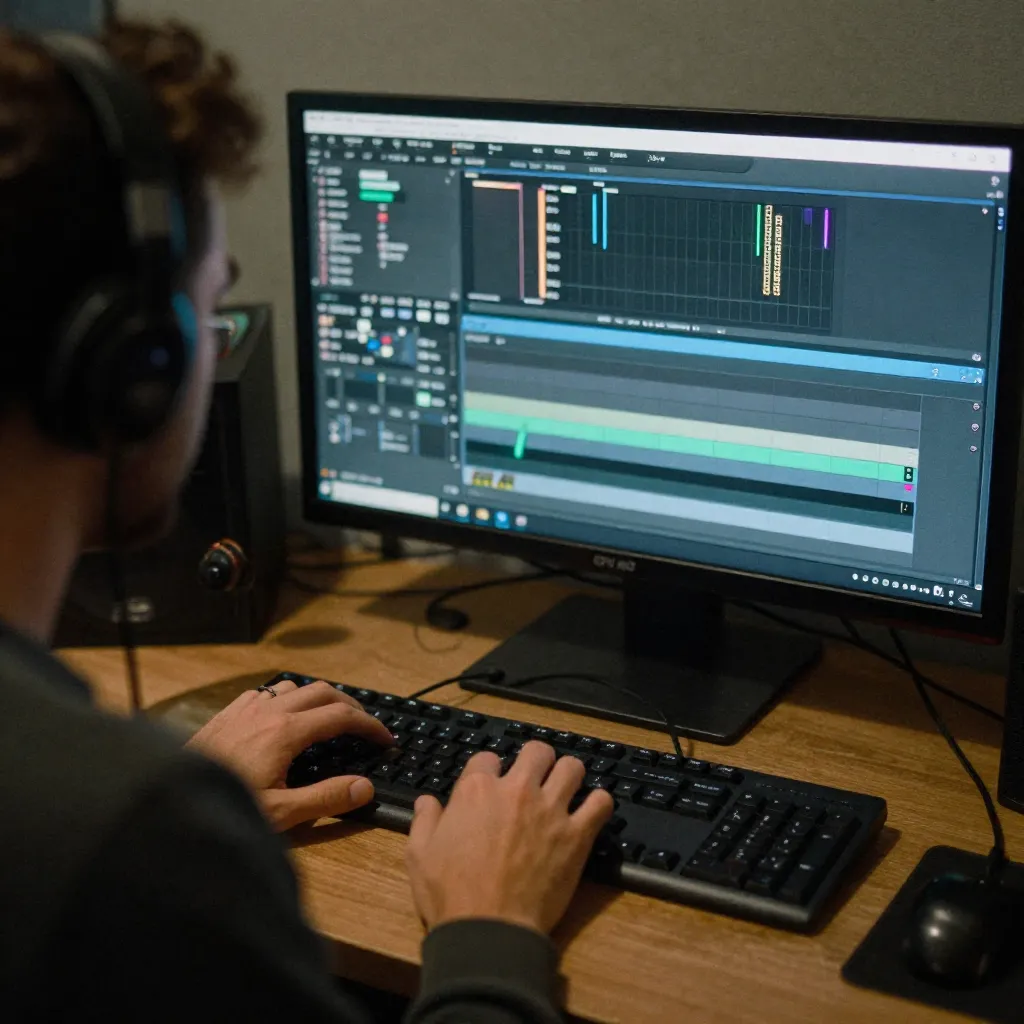
Acoustic Workbench
Technical specifications and signal processing methodologies. Detailed overview of audio enhancement procedures.
Technical specifications and signal processing methodologies. Detailed overview of audio enhancement procedures.
Initial analysis and removal of unwanted background elements. Spectral analysis identifies frequency ranges containing interference.
Tools: Spectral editing, noise profiling, adaptive filtering
Controlled reduction of dynamic range to achieve consistent perceived loudness while preserving natural characteristics.
Tools: Multi-band compression, level automation, transient shaping
Enhancement of stereo field and depth perception through careful manipulation of phase relationships and frequency content.
Tools: Stereo widening, reverb algorithms, delay processing
Parametric equalization for frequency response adjustment. Surgical precision in problematic frequency ranges.
Noise gate implementation to reduce background interference during silent passages.
Sibilance reduction for improved vocal clarity and listener comfort.
Peak limiting to prevent digital clipping while maintaining maximum headroom.
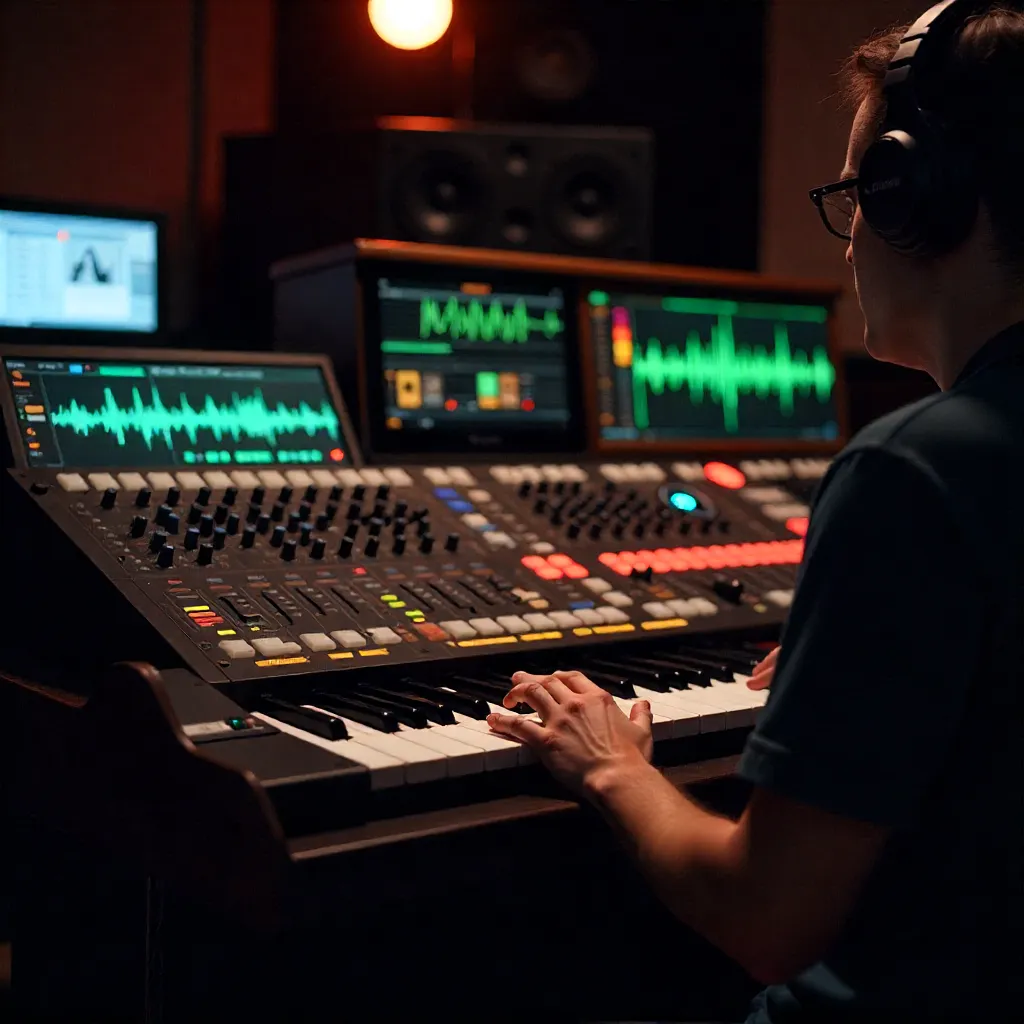
Complete audio processing from raw recording to final delivery. Includes all phases of signal chain processing with multiple revision cycles.
Suitable for: Multi-episode series, long-form content, complex projects
Targeted enhancement of specific audio elements. Focus on particular aspects such as dialogue clarity or background reduction.
Suitable for: Single episodes, quick turnaround, specific improvements
Processing available at 44.1 kHz, 48 kHz, 96 kHz, and higher resolutions depending on source material and delivery requirements.
Internal processing at 32-bit floating point. Delivery formats include 16-bit, 24-bit, and 32-bit options.
Compatible with WAV, AIFF, FLAC, MP3, and other industry-standard formats. Custom delivery specifications available.
Standard workflow includes initial consultation, material review, processing implementation, and delivery with revision options. Timeline varies based on project scope and complexity.
Discuss Project